Building codes are changing faster than most homeowners realize. If your home is damaged or destroyed, these changes could become your problem overnight.
Decree or legal coverage It’s one of the most misunderstood parts of a homeowners insurance policy, but it can make a big difference when it’s time to rebuild. In simple terms, this coverage helps pay the additional cost of updating your home to current building codes after a covered loss. Without it, these costs come out of your pocket.
What is a decree or legal coverage?
Statutory or ordinance coverage is an add-on to your homeowners insurance policy that helps cover the gap between rebuilding your home as it was and rebuilding it to current legal standards.
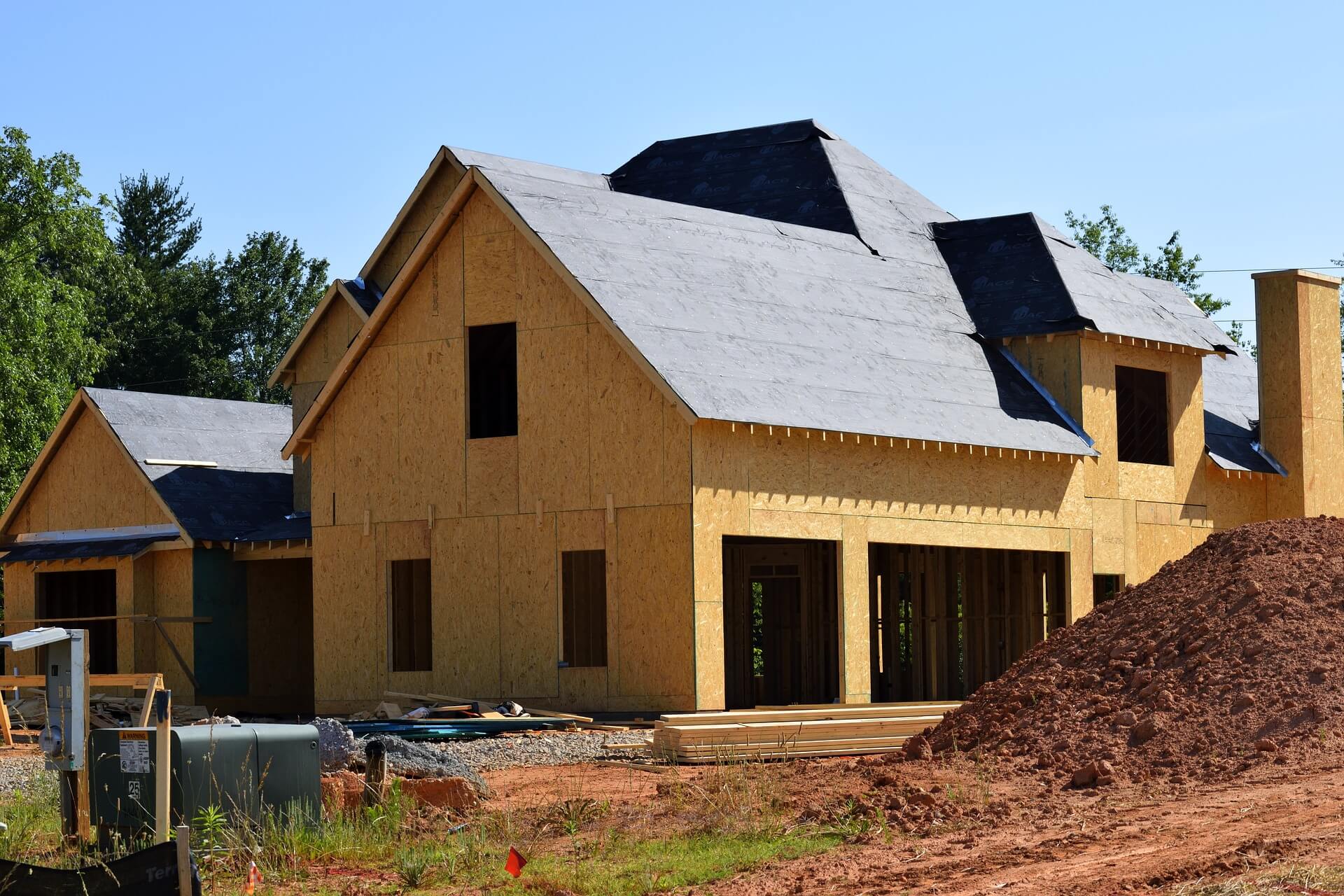
After a covered loss, your insurance will usually pay to restore your home to its previous condition. The problem is that local laws may not allow you to rebuild it the same way. Building codes evolve, and once significant damage occurs, you are often required to meet current requirements, not those that were in place when your home was built.
This is where this coverage comes into play. It helps absorb these additional costs so you don’t have to pay out of pocket just to comply with the law.
What does the decree or statutory coverage actually cover?
This coverage is not just one benefit. It’s made up of several parts that work together to protect you while you’re rebuilding.
First, it can cover the undamaged portion of your home. If a loss affects a portion of your property but building codes require a complete upgrade, that portion helps cover the cost of bringing the rest of the structure into compliance.
It also helps pay for demolition costs when needed. In some cases, parts of your home that are not damaged will still have to be demolished to meet current code. This cost can add up quickly without the right coverage.
Finally, and most importantly, it covers the increased construction cost. Modern building codes often require stronger materials, updated systems, and more stringent safety procedures. These upgrades are not optional, and can increase the cost of rebuilding significantly.
Why are building codes more important than you think?
Florida building codes are updated regularly, which means that even newer homes can fall out of compliance faster than expected. Many homeowners assume that their property is “up to code” just because it looks modern, but that’s not always the case.
There is also an important threshold to be aware of. according to Florida Building Code 3401.7.2.6Where the value of repairs and alterations amounts to more than 50% of the value of the existing building during any 12-month period, the building or structure must be brought into compliance with new building requirements or be completely demolished.
At that point, you’re no longer just repairing the damage. You’re effectively rebuilding under a completely different set of rules. These rules are not optional. If your home sustains major damage, you should follow up whether you plan to or not.
Do you need a decree or legal coverage in Florida?
Although local law does not require coverage by ordinance or law, it is one of the most practical protections you can have as a homeowner in Florida.
Insurers are required to provide this, and in many cases, homeowners must opt out in writing if they don’t want it. This means there’s a good chance you already have some level of coverage on your policy. The real question is whether this amount is enough to deal with the worst-case scenario.
Because building codes change frequently, even relatively new homes can benefit from higher limits. This isn’t just about old properties or historic homes. It’s about how much standards have changed since the day your home was built.
How Much Decree or Legal Coverage Should You Have?
Coverage limits are usually based on a percentage of the insured value of your home, making it easy to underestimate how much protection you actually have.
For example, a $400,000 home with 25% code or legal coverage would have $100,000 available for code-related upgrades. This may seem like a lot, but depending on the extent of the damage and the improvements needed, these costs can add up quickly.
Homes with older construction, unique features, or stricter local requirements often need higher limits. On the other hand, the minimums may not go much further once demolition materials, labor and improved materials are taken into account.
In most cases, increasing coverage is a relatively small adjustment compared to the potential out-of-pocket cost after a major loss.
What happens if you don’t have it?
Without a decree or legal coverage, your policy may fall short in the situation where you need it most.
A standard homeowners policy is designed to rebuild your home as it was before the loss. But if local regulations require upgrades, your insurance company is not responsible for those additional costs. This leaves you covering the difference.
In a real-world scenario, that might mean paying for upgraded electrical systems, structural reinforcements, or entirely new construction methods required by current code. These are not cosmetic upgrades. They are mandatory changes, and can increase the overall cost of the rebuild significantly.
Decree or legal coverage for investment and commercial real estate
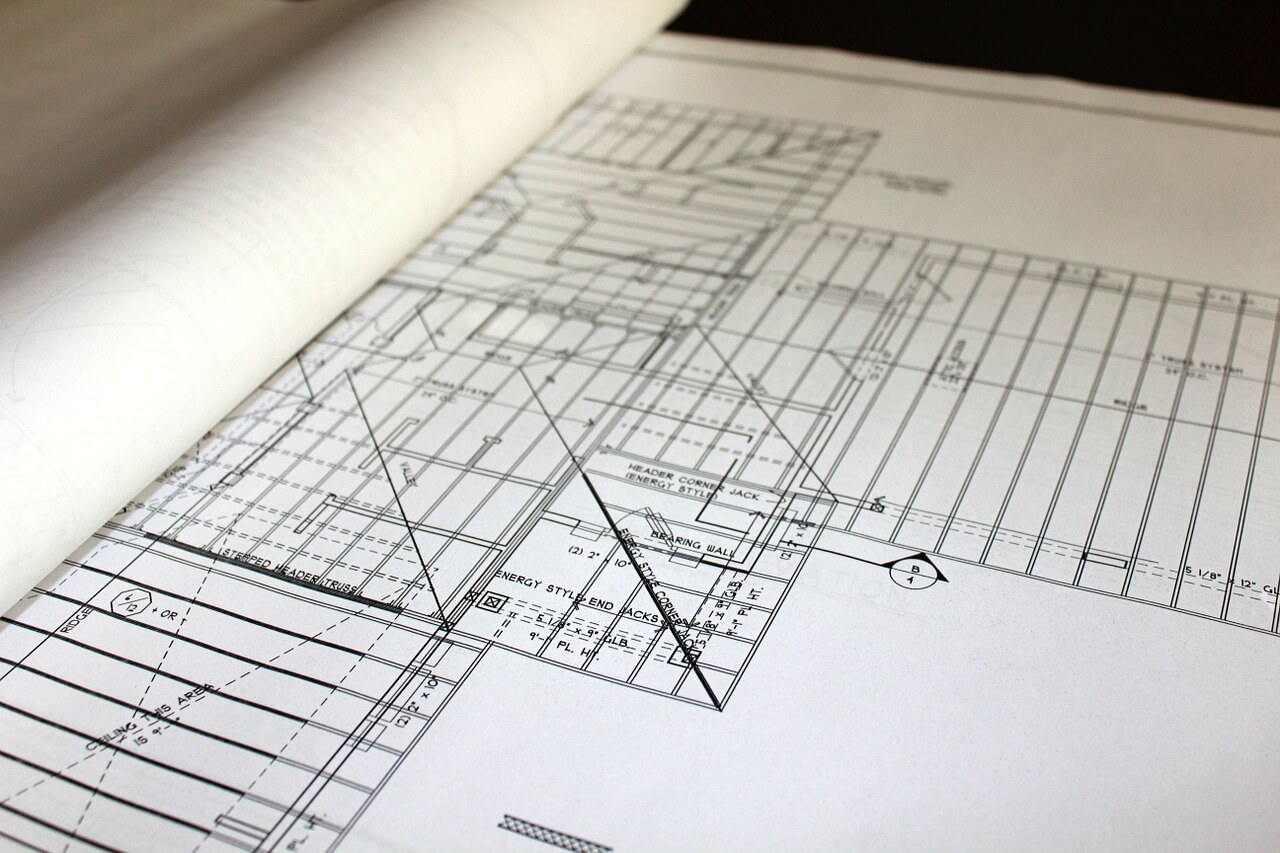
This type of coverage is not limited to homeowners. This is just as important, if not more so, for investment and commercial real estate.
When a commercial property is damaged, rebuilding requirements can be more stringent depending on the type of occupancy, safety regulations and zoning laws. The cost of developing commercial real estate under the rules can quickly exceed what a standard policy covers.
This is why a decree or legal cover should be considered part of a broader risk strategy. If you own rental properties or commercial buildings, it’s a good idea to review your policy along with your comprehensive business insurance.
conclusion
Coverage by ordinance or law fills a gap that many homeowners don’t realize exists until it’s too late. It protects you from the additional cost of rebuilding to today’s standards rather than yesterday’s standards.
In a place like Florida, where building codes change frequently and storm damage is a real concern, protection is more important than most people expect.
If you’re not sure whether your current coverage will hold up after a big loss, it’s worth taking a closer look. Contact us and we’ll walk you through your policy so you know exactly where you stand.
Instructions
What is an ordinance or covering law in simple terms?
It helps defray the additional cost of rebuilding your home to meet current building codes after a covered loss.
Is decree or statutory coverage required in Florida?
No, but insurance companies must provide it, and many homeowners have some level of coverage.
Does the ordinance or legal coverage apply to small repairs?
Usually not. This applies when the damage is significant enough to trigger code requirements.
Can I increase my statutory or capitation coverage later?
In most cases, yes. You can modify your limits while reviewing or renewing the policy.